Free 8-week off-season training plan that’s adaptable for every level of triathlete
Want to start the next tri season raring to go? Then this 8 week off-season plan that involves hitting the bike and run trails will have huge form and fitness benefits.

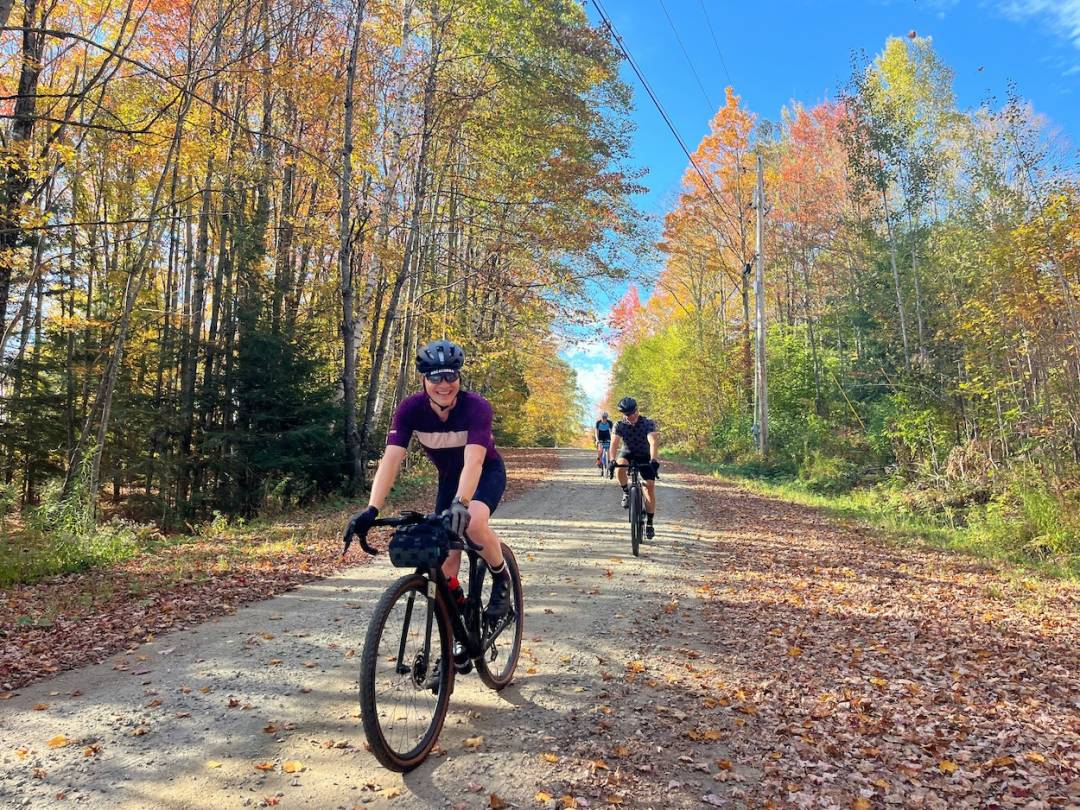
The off-season is an interesting time for triathletes, when most of us in between seasons and wondering what to do next. Some of us will take extra rest days, some will take complete rest for a few weeks or months and others will decide to try some new style of training.
There’s no ‘one rule fits all’, so you should feel free to experiment with how you spend the off-season. If you’ve got a race in mind as a goal, take a look at our free triathlon training plans to get some help with achieving it.
However, there’s significant evidence to suggest that mixing up your training environments is very beneficial for both the pure physical improvements it can offer and the variety of working out in different locations.
It feels great training over different courses, so hit the trails and don’t be afraid to get dirty!
8-week off-season triathlon training plan

This eight-week off-season training plan includes a mix of training options, including going off-road as well as your standard pool, gym and road workouts.
If you can find forest trails or parks with hills we really recommend you try out these locations. The strength benefits from training off-road can’t be replicated in an indoor environment – nature gives us such great terrain and we should use it.
Lace up your trail running shoes and dust off the mountain bike for this next phase of your training. The plan still has an indoor training element, which follows a similar theme in that they’re aimed at promoting greater power and strength.
It’s also important to retain some swim fitness, so this plan includes one swim per week that focuses on either drills or fitness.
There’s a flexibility to this 8-week off-season training plan that means it can be adapted to all levels. If you’re still new to the sport, steer towards the lower end of the workout duration scale, while advanced athletes can push themselves with longer or more challenging sessions.
If you’re thinking about racing sprint or Olympic triathlons next season, then at this time of year you don’t need to be doing the heavy weekly training hours, so adapt the plan.
As always, include a warm-up and cool-down. A warm-up involve 5-8mins of gradually building intensity from easy to vigorous. Afterwards, a cool-down could be 3-5mins of easy cardio followed by stretches.
Coach Dermott’s top 4 off-season tips

1. Research new areas
Look for trails that offer great running and mountain-biking routes. Get muddy and enjoy the new views. Ask your training friends for their advice. Forget your normal run splits when running off-road, especially if your route is hilly or the going is heavy.
You’re going to be covering the ground much slower than you would on the road. If you’re planning long off-road runs, then the ultrarunning approach of walking the climbs, jogging the flats and running the downs is efficient.
2. Get the right kit
Make sure your mountain bike is up to the job, and you’ll need a decent pair of trail running shoes if you don’t want to destroy your best trainers.
Off-road, you can ditch some cushioning and support to improve stability and, as foot strike constantly varies, this shouldn’t be an issue even if you normally need motion-control shoes. Waterproof shoes can seem like a good idea but tend to become mobile paddling pools when water inevitably comes in over the top. Opt for lightweight and fast drying uppers instead.
3. Don’t be afraid

Hit the very hard interval sections on the bike and run with real force. Be prepared to get out of your comfort zone on the tough hill rep sessions. They hurt but they help.
On off-road run climbs – especially if the terrain is technical – get up on your toes, drop your stride length right down and up your cadence. Think tippy-toes. Keep your head up and pump your arms. Look ahead, pick out the best line and foot placements and, if possible, avoid energy-sapping big step-ups.
Descending on the bike can be a bit technical, try staying relaxed and stay looking ahead. As it steepens, you’ll need to move your weight back, but don’t go too far or you’ll lose control and traction on the front wheel. A dropper seatpost can be a game changer and makes positioning far easier.
4. Enter off-road events
If you enjoy the off-road element of training, look for events that include mountain biking or trail running. These races can really challenge triathletes in very different ways. Mountain biking hasn’t done Flora Duffy any harm at all!
Trail centres for MTB are brilliant too, yet grading can be inconsistent. A red route in North Wales, for example, is likely to be a different proposition to one in Norfolk. For an indication of what to expect, look at the local topography and ride the blue route as a sighter.
Off-season training plans
For more of our off-season training plans to tackle over the winter, why not check out one of our strength training or single-discipline plans:
- Coach Dave Scott’s home strength and conditioning plan for triathletes
- 8-week winter base strength training plan
- 8-week strength training plan
- 8-week off-season training plan for any level
- 8-week improve your run speed training plan
- 8-week open-water swim strength and confidence training plan
- Free 3-month winter training plan
Check out our other free training plans here for all parts of the season and all distances.


 Dermott Hayes